


Experiencing an overheating engine can be a frustrating and concerning issue for any driver. One of the most common scenarios where this problem arises is during traffic conditions. When you find yourself stuck in gridlock, the combination of prolonged idling and increased engine temp can lead to serious complications.
Understanding the reasons behind your car’s overheating is crucial for both safety and vehicle longevity. In traffic, the engine works harder to maintain power without the benefit of airflow that typically cools it down. This lack of cooling, combined with other factors, can push your engine temp beyond the optimal level, making it essential to recognize the signs and symptoms before it leads to severe damage.
Many variables contribute to engine overheating, particularly during stop-and-go driving. From coolant leaks to thermostat failures, each issue can significantly affect your vehicle’s performance. By identifying these potential causes, you can take preventative actions to ensure your car remains cool and functional, even in the most congested conditions.
Insufficient Airflow to the Radiator
One of the primary reasons for car overheating, particularly in stop-and-go traffic, is insufficient airflow to the radiator. The radiator plays a crucial role in cooling the engine by dissipating heat. When a vehicle is in motion, air naturally flows through the grille and over the radiator fins, helping to lower the engine’s temperature. However, during heavy traffic or when idling, the airflow is significantly reduced, causing the engine to heat up quickly.
Several factors can contribute to this lack of airflow. First, debris and dirt can accumulate on the radiator’s exterior, obstructing air passage. A clogged grille can also limit the airflow, as can a malfunctioning cooling fan. If the fan is not engaging properly when the vehicle is stationary, it fails to provide the necessary airflow to cool the radiator effectively.
Additionally, high ambient temperatures can exacerbate this issue. In such conditions, the temperature (temp) of the coolant can rise rapidly, leading to overheating. Regular maintenance of the cooling system, including cleaning the radiator and ensuring that the fan operates effectively, is essential to prevent insufficient airflow and maintain optimal engine temperatures.
Cooling System Failures and Their Impact

The cooling system of a vehicle plays a crucial role in regulating the engine’s temperature. When this system fails, it can lead to severe overheating issues that compromise engine performance and longevity.
One common cause of cooling system failure is a leaking radiator. A compromised radiator can result in a significant loss of coolant, preventing the engine from dissipating heat effectively. This can lead to rapid engine overheating, especially in traffic conditions where airflow is minimal.
Another potential failure point is the thermostat. If the thermostat malfunctions and remains closed, it will block coolant flow to the engine. This can cause the engine temperature to rise uncontrollably, leading to catastrophic damage if not addressed promptly.
Moreover, a malfunctioning water pump can severely impact the flow of coolant throughout the engine. If the water pump is unable to circulate coolant effectively, hot spots may form, exacerbating the risk of overheating. This is particularly concerning in stop-and-go traffic, where the engine generates heat without sufficient airflow to cool down.
Lastly, issues such as clogged coolant passages can also hinder effective cooling. Over time, debris and sediment can build up in the cooling system, restricting the flow of coolant. This accumulation can lead to localized overheating, further stressing the engine and potentially causing serious damage.
In summary, cooling system failures directly contribute to the risk of engine overheating. Regular maintenance and monitoring of components like the radiator, thermostat, and water pump are essential to ensure optimal performance and prevent costly repairs.
Engine Load and Temperature Management in Stop-and-Go Traffic
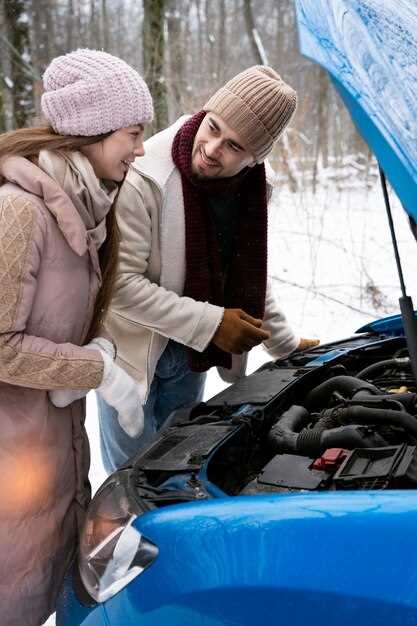
In stop-and-go traffic, the engine experiences fluctuating loads due to frequent acceleration and deceleration. This constant change places additional stress on the engine, which can lead to increased temperature levels. The engine’s cooling system struggles to maintain optimal temperature when subjected to these conditions, especially if it is already compromised due to age or damage.
High engine load often results from the need to provide power for rapid acceleration, which in turn raises the temperature. As the engine works harder to overcome resistance, the heat generated can surpass the cooling system’s capacity to dissipate it. When vehicles are idle or moving at slow speeds, the airflow through the radiator decreases further, impacting the ability to cool effectively.
Moreover, idling in traffic can cause the engine to run for extended periods without sufficient cooling. The coolant may not circulate properly when the vehicle isn’t moving, which can lead to localized overheating. A malfunctioning thermostat or a clogged radiator can exacerbate this issue, making it crucial for drivers to ensure that their vehicle’s cooling system is functioning optimally.
Regular maintenance checks, including inspecting coolant levels, hoses, and belts, are essential for preventing overheating in traffic. Monitoring the temperature gauge can also provide early warnings of potential overheating, allowing the driver to take corrective action before damage occurs.


